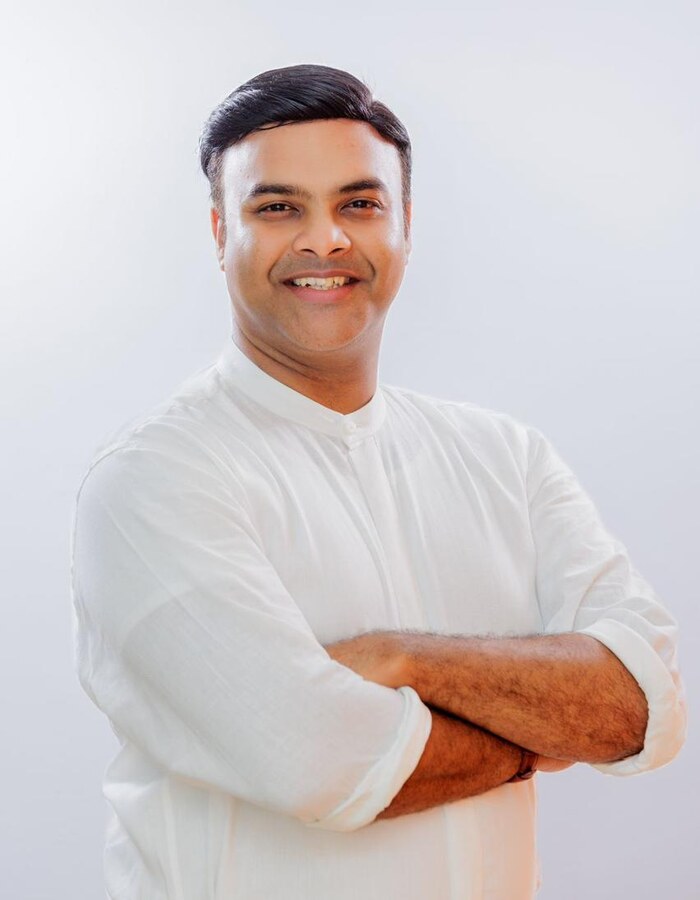
Prashan De Visser is a globally recognised peacebuilder, movement leader, and founder of Sri Lanka Unites and Global Unites. Since launching Sri Lanka Unites in 2008, he has helped build the country’s largest youth movement for peace and reconciliation, engaging over 30,000 young people across ethnic and religious divides through leadership development, dialogue, and national initiatives.
Building on this vision, he founded Global Unites in 2015, a growing international movement advancing grassroots peacebuilding and youth leadership across 20 countries, including Congo, Afghanistan, Liberia, Kenya, Myanmar, Germany, and Sri Lanka.
Prashan is the recipient of the Queen’s Points of Light Award and an Honorary Doctorate for Public Service, and has been recognised among Asia Pacific’s leading changemakers. He holds degrees from the University of Notre Dame and Gordon College, where he became the first South Asian elected Student Body President.
30,000+
Youth Engaged
20+
Countries
2008
SLU Founded
Peacebuilding & Gender Researcher · Activist
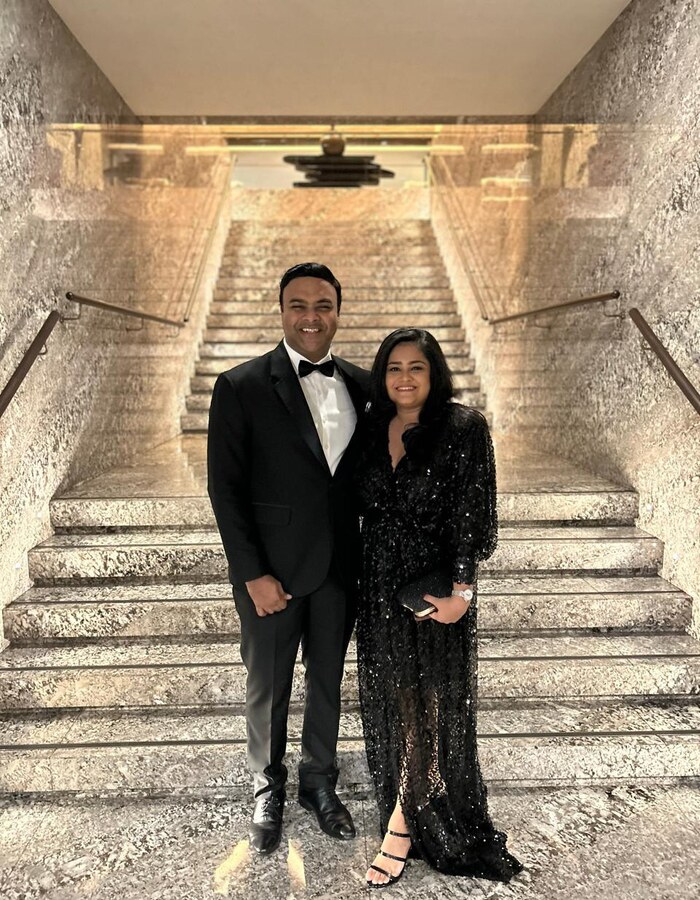
Shruthi De Visser
Shruthi De Visser is a peacebuilding and gender researcher and activist with over ten years of grassroots experience. She completed her Bachelor’s in Political Science at Gordon College, Massachusetts and her Master’s in Gender and Women’s Studies at the University of Colombo, Sri Lanka.
As Research Director for the Prime Minister’s coordinating office of the Transitional Justice Process, Shruthi led key research that informed Sri Lanka’s Reparations Act of 2018. Her special focuses are Reparations and Gender mainstreaming within transitional justice mechanisms.
She is a 2023 Asia Foundation William P Fuller Fellow in peacebuilding and currently serves as coordinator for the Global Unites School of Peacebuilding.
10+
Years’
Experience
2018
Reparations Act
2023
Asia Foundation Fellow
Career Path
My Journey
True structural transformation cannot happen from afar. Returning to Sri Lanka immediately after graduating from Gordon College, Prashan directly faced the cycles of prejudice and deep institutional failure that follow civil conflicts. His work centers on a simple truth: if you don’t train emerging generations in proactive conflict transformation, they will naturally repeat the violent errors of the past.
2007–2008
First South Asian Student Body President at Gordon College, USA.
2008
Establishes Sri Lanka Unites, launching a nationwide youth reconciliation framework.
2008–2013
TV Host and Co-Producer for MTV/MBC Channels; anchors top-rated Global Perspectives.
2015
Completes MA in Peace Studies at Notre Dame; launches Global Unites internationally.
2016–Present
Appointed Visiting Professor at Colgate Rochester Crozer Divinity School.
2018
Receives the Queen’s Points of Light Award for exceptional national voluntary service.
2020
Becomes a Founding Board Member of the Centenary Movement.
2021
Named among the “50 Leading Lights for Asia Pacific” by the Financial Times & Oxford University.
2022
Conferred an Honorary Doctorate for Public Service by Gordon College, USA.
2023–Present
Assumes the role of President of the United Centenary Front.
Recognition
Awards & Honours
2018
Queen’s Points of Light Award
Conferred by Her Majesty Queen Elizabeth II for exemplary voluntary national impact.
2022
Honorary Doctorate for Public Service
Awarded by Gordon College for consistent systemic peacebuilding efforts over two decades.
2021
50 Leading Lights for Asia Pacific
Named by the Financial Times and Oxford University for pioneering ethical leadership.
Civilian Honour
Justice of the Peace
Conferred for the Negombo Division, Western Province, Sri Lanka.
Core Beliefs
Leadership Philosophy
“Sri Lanka Unites stands out globally as one of the Top 20 youth movements in the Commonwealth region and one of the Top 8 models for structural reconciliation to follow.”
I believe leadership is the art of seeing what could be, understanding what is, and inspiring people to bridge the gap between the two. Leadership begins with vision — the ability to see a future that does not yet exist, to communicate it clearly, and to mobilize people toward it.
At its core, leadership is not about position or authority. Leadership is influence, and influence is earned through relationships. People do not follow titles; they follow leaders they trust.
This conviction leads me to servant leadership. My understanding of leadership is deeply influenced by the example of Christ, who demonstrated that true leadership is not about being served but about serving others.
I believe leadership is ultimately about working yourself out of a job. The goal is not to make yourself indispensable but to develop others to the point where they can lead, succeed, and eventually surpass you.
“If you think you’re leading and no one is following, you’re only taking a walk.”